On this page 65 sections
- Short answer: are food tours worth it in Morocco?
- What is a Morocco food tour?
- Food tour vs cooking class: which is better?
- When a food tour is worth it
- When a food tour may not be worth it
- Best cities for food tours in Morocco
- Marrakech
- Fes
- Essaouira
- Casablanca
- Tangier
- Rabat
- Agadir
- What foods might you try on a Morocco food tour?
- Tajine
- Couscous
- Tanjia
- Pastilla
- Harira
- Bessara
- Zaalouk and taktouka
- Kefta and brochettes
- Msemen
- Harcha
- Sfenj
- Maakouda
- Olives, dates, and nuts
- Snail soup
- Fresh orange juice
- Moroccan sweets
- Mint tea
- Food tour vs eating in restaurants
- Is Moroccan street food safe?
- How much does a Morocco food tour cost?
- What to check before booking a food tour
- Best time to take a food tour
- Evening food tours
- Late afternoon tours
- Morning market tours
- Avoid overbooking dinner
- Be careful during Ramadan
- Are food tours good for vegetarians?
- What about vegans?
- Can food tours handle allergies?
- Food tour etiquette in Morocco
- Arrive hungry
- Tell the guide about restrictions early
- Ask before taking photos
- Bring small cash
- Do not waste food carelessly
- Use your right hand when appropriate
- Be open, but do not force yourself
- Tip if the tour is good
- Common mistakes travelers make with food tours
- Booking too late in the trip
- Eating a full meal before the tour
- Expecting only tajine and couscous
- Assuming all street food is unsafe
- Assuming all food tours are authentic
- Not checking what is included
- Ignoring walking distance
- Choosing the cheapest tour only
- What to avoid
- Final recommendation
- FAQ
A Morocco food tour is worth it if you want to try local food beyond tourist restaurants, understand what to order, and feel more confident eating in medinas and markets. Marrakech is the easiest city for a first food tour, while Fes is better for traditional food depth. Choose a cooking class instead if you want hands-on learning rather than guided tastings.
| Best city for first food tour | Marrakech. |
|---|---|
| Best city for food culture depth | Fes. |
| Best for seafood | Essaouira, Tangier, Casablanca, or Agadir. |
| Best time to book | Early in your trip. |
| Food tour or cooking class? | Food tour for tasting; cooking class for learning. |
| Street food safety | Choose busy stalls, fresh hot food, and trusted guides. |
| Good for vegetarians? | Often yes, but confirm before booking. |
| Biggest mistake | Booking a vague tour that mostly visits tourist restaurants. |
- Best city for first food tour
- Marrakech.
- Best city for food culture depth
- Fes.
- Best for seafood
- Essaouira, Tangier, Casablanca, or Agadir.
- Best time to book
- Early in your trip.
- Food tour or cooking class?
- Food tour for tasting; cooking class for learning.
- Street food safety
- Choose busy stalls, fresh hot food, and trusted guides.
- Good for vegetarians?
- Often yes, but confirm before booking.
- Biggest mistake
- Booking a vague tour that mostly visits tourist restaurants.
A food tour can be one of the best ways to understand Morocco, especially if it is your first time in the country.
Moroccan food is not only tajine in a tourist restaurant. Some of the best food is found in small stalls, bakeries, markets, neighborhood grills, family kitchens, tea rituals, and simple places you might walk past without knowing what to order.
That is where a good food tour helps.
A Morocco food tour can show you what to eat, how dishes are served, which foods are local to each city, how to avoid weak tourist restaurants, and how to feel more confident eating on your own for the rest of the trip.
But not every food tour is worth it. Some are excellent. Some are basically a restaurant dinner with a guide. Some focus on real local food. Others feel staged for tourists.
The honest answer is simple: a food tour in Morocco is worth it if it helps you eat beyond tourist menus, understand local dishes, and navigate the medina food scene safely. Marrakech and Fes are the strongest cities for a first food tour.
Short answer: are food tours worth it in Morocco?
Yes, Morocco food tours are worth it for many first-time visitors, especially in Marrakech or Fes.
A good food tour is useful if you:
- want to try local food beyond tourist restaurants
- feel nervous about street food
- do not know what to order
- want a local explanation of dishes
- want to understand medina food culture
- want to avoid random poor food choices
- prefer guided tastings instead of guessing alone
A food tour may not be necessary if you already know Moroccan food well, are on a tight budget, dislike group tours, or prefer to explore independently.
For most travelers, the best time to book a food tour is early in the trip. After one good tour, you will understand menus, snacks, sweets, markets, and local eating habits better.
What is a Morocco food tour?
A Morocco food tour is usually a guided walking experience focused on tasting local food.
Most food tours take place in a medina, market area, old city street, or food-focused neighborhood. A guide leads you between different stops, explains the dishes, introduces ingredients, and helps you try foods you might not order alone.
A food tour may include:
- street food tastings
- bakery stops
- olives, dates, nuts, or spices
- Moroccan breads
- soups
- grilled meats
- sweets
- mint tea
- fresh juice
- traditional dishes
- market explanations
- local restaurant stops
- dinner at the end
Some food tours are snack-focused. Some are full dinner experiences. Some include a market walk. Some are more cultural than food-heavy.
Always check what is included before booking.
Food tour vs cooking class: which is better?
A food tour and a cooking class are not the same experience.
| Experience | Best for | Choose this if |
|---|---|---|
| Food tour | Tasting many foods and discovering local places | You want to eat and explore |
| Cooking class | Learning recipes and techniques | You want hands-on experience |
| Market tour | Ingredients, shopping, and food culture | You like markets and local habits |
| Riad dinner | Comfort and atmosphere | You want a calm Moroccan meal |
| Independent eating | Budget and freedom | You already know what to order |
Choose a food tour if you want to taste many different things and understand the city’s food scene.
Choose a cooking class if you want to learn how Moroccan dishes are made, shop for ingredients, and take recipes home.
If you have time and budget, doing both can be excellent. But for most first-time visitors, choose one based on your travel style.
When a food tour is worth it
A food tour is worth it in Morocco if it gives you access, confidence, and context.
It is especially useful when:
- it is your first time in Morocco
- you are visiting Marrakech or Fes
- you want to try street food safely
- you are unsure about hygiene
- you want to understand dishes beyond tajine
- you want to avoid tourist-trap restaurants
- you want local stories and food history
- you are traveling solo and want an easy evening activity
- you want to experience the medina at night with guidance
A good guide can make unfamiliar food feel approachable. They can explain what you are eating, where it comes from, how locals eat it, and what to order later on your own.
That can change the rest of your trip.
When a food tour may not be worth it
A food tour may not be worth it if:
- you are on a very tight budget
- you already know Moroccan food well
- you prefer eating independently
- you dislike walking tours
- you do not like group activities
- the tour is vague about tastings
- the tour mostly visits tourist restaurants
- you have strict allergies and the operator cannot manage them
- you only want a quiet seated dinner
Some food tours are not bad, but they may not match what you want.
If you mainly want to learn recipes, book a cooking class. If you want a romantic dinner, book a good restaurant or riad meal. If you want street food and local explanation, book a food tour.
Best cities for food tours in Morocco
Food tours are not equally useful everywhere.
Some cities are better for guided food walks. Others are better for seafood, restaurants, or cooking classes.
Marrakech
Marrakech is the easiest city for a first food tour in Morocco.
It has medina food walks, night food tours, Jemaa el-Fna experiences, spice stops, market tastings, street-food routes, and cooking classes.
A Marrakech food tour is good if you want:
- first-time food introduction
- street food
- night market atmosphere
- medina snacks
- tanjia
- olives and spices
- grilled meats
- pastries
- mint tea
- help navigating food stalls
Marrakech is also where many visitors feel overwhelmed by choices. A food tour can help you understand what is worth trying and what is mainly for tourists.
If you only book one food tour in Morocco, Marrakech is usually the easiest choice.
Fes
Fes is one of the best cities for traditional food culture.
The medina is old, deep, and full of craft, markets, bakeries, small food spots, and traditional dishes. Fes can feel less easy than Marrakech, but that is exactly why a good guide can be useful.
A Fes food tour is good if you want:
- traditional food depth
- medina culture
- food history
- pastilla
- old-city markets
- bakeries
- slow meals
- cultural context
Fes is better for travelers who want food connected to history and tradition, not only quick street-food tastings.
Essaouira
Essaouira is best for seafood and relaxed coastal eating.
A formal food tour is not always necessary, but a guided food walk or seafood-focused experience can still be useful if you want local context.
Essaouira is good for:
- grilled fish
- seafood markets
- relaxed medina eating
- cafés
- simple coastal meals
- slower food experiences
If you love seafood, Essaouira should be part of your food plan.
Casablanca
Casablanca is better for urban restaurants, seafood, bakeries, cafés, and modern Moroccan eating.
It is not usually the first city I would choose for a classic medina food tour, but it can be good for travelers who want a more modern food scene.
Casablanca is good for:
- seafood
- bakeries
- modern Moroccan restaurants
- cafés
- urban food culture
- business-city dining
Choose Casablanca for restaurants more than street-food touring.
Tangier
Tangier has a different food personality because of its northern location, port history, Mediterranean influence, and café culture.
Tangier can be good for:
- seafood
- cafés
- northern Moroccan flavors
- pastries
- Spanish and Mediterranean influence
- relaxed food walks
It is a good food city, especially if your Morocco route is focused on the north.
Rabat
Rabat is calmer and more organized than Marrakech or Fes.
It is better for relaxed restaurants, cafés, and modern Moroccan meals than intense street-food touring.
Rabat is good for:
- calmer food experiences
- cafés
- restaurants
- modern Moroccan dining
- relaxed eating
A food tour is not essential here, but food-focused travelers can still enjoy the city.
Agadir
Agadir is better for seafood, resort dining, beach restaurants, and relaxed meals.
It is not the strongest city for classic Moroccan food tours, but it can be useful for seafood lovers or resort travelers who want simple food experiences.
Agadir is good for:
- seafood
- beach restaurants
- resort food
- relaxed family meals
- coastal eating
What foods might you try on a Morocco food tour?
Every food tour is different, but these are common foods and categories you may encounter.
Tajine
Tajine is one of Morocco’s most famous dishes.
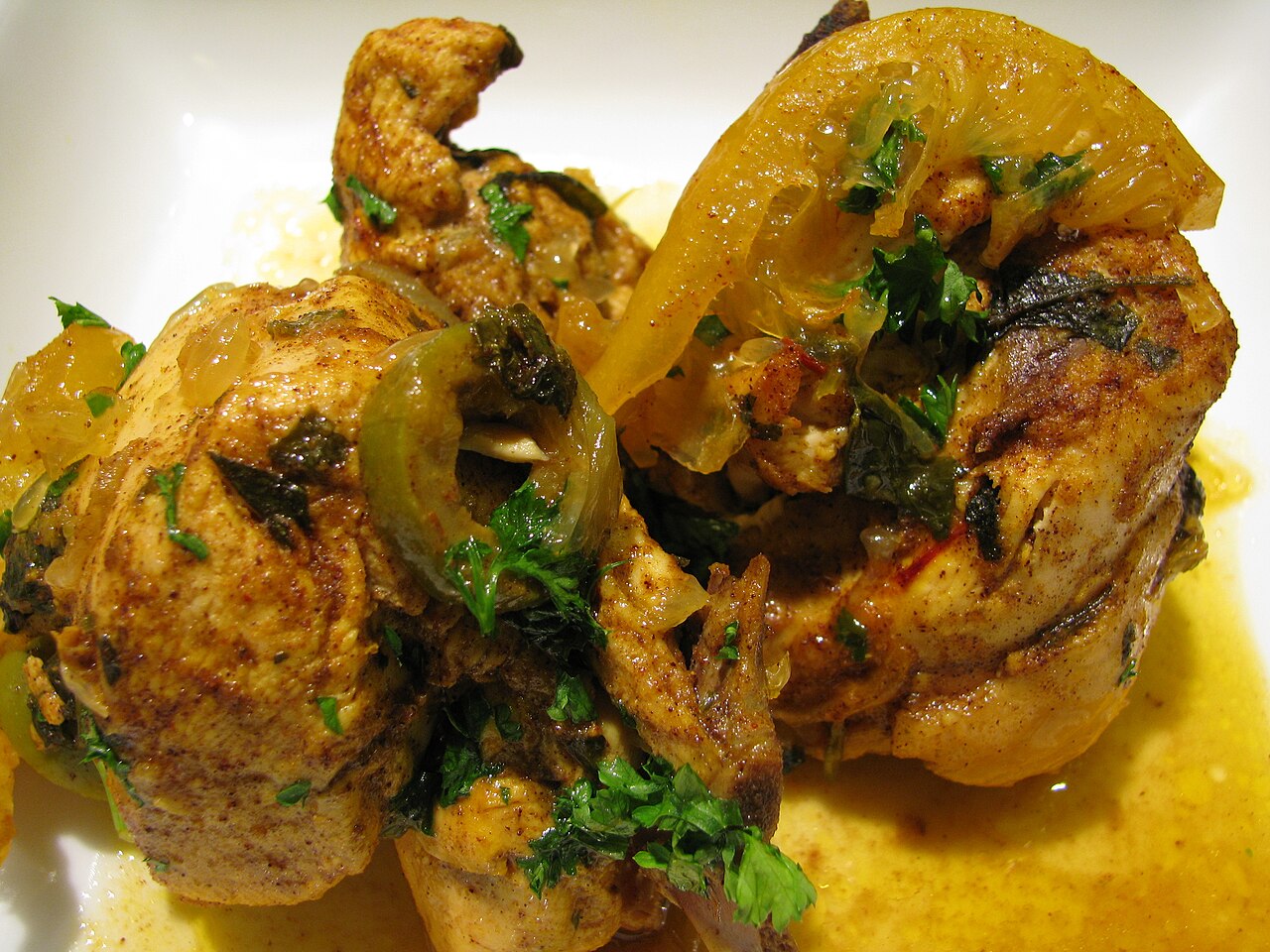
It is a slow-cooked dish named after the clay pot used to cook it. Common versions include chicken with preserved lemon and olives, beef or lamb with prunes, kefta with eggs, vegetables, or fish in coastal areas.
A good food tour should explain that tajine is not one single recipe. It is a cooking style with many regional variations.
Couscous
Couscous is another major Moroccan dish, often associated with Friday family meals.
Travelers sometimes expect couscous to be available everywhere every day, but in many local routines, Friday couscous has special importance.
A food tour or cooking class can help explain when and how couscous is usually eaten.
Tanjia
Tanjia is strongly associated with Marrakech.
It is usually made with meat, spices, preserved lemon, and slow cooking in a clay urn. It is rich, simple, and very Marrakech-specific.
If you take a Marrakech food tour, tanjia is one of the dishes worth looking for.
Pastilla
Pastilla is a sweet-salty Moroccan pie often associated with Fes and special occasions.
It may be made with poultry or seafood depending on the version. It combines crisp pastry, spices, sweetness, and savory filling.
For many travelers, pastilla is one of the most surprising Moroccan dishes.
Harira
Harira is a Moroccan soup often made with tomatoes, lentils, chickpeas, herbs, and spices.
It is especially important during Ramadan, but you can find it outside Ramadan too.
It is a good food-tour dish because it introduces Moroccan flavor in a simple, comforting way.
Bessara
Bessara is a fava bean soup or puree, often eaten as a simple local meal.
It is common in some cities and is usually affordable, filling, and humble.
A good food tour may include dishes like this because they show everyday Moroccan eating beyond famous restaurant dishes.
Zaalouk and taktouka
Zaalouk is usually made with eggplant and tomato. Taktouka is usually made with peppers and tomato.
These cooked salads often appear as side dishes and are great examples of Moroccan home-style flavors.
Kefta and brochettes
Kefta is seasoned ground meat, often grilled or cooked in tajine.
Brochettes are grilled skewers, common in simple restaurants and stalls.
These can be excellent when cooked fresh at busy places.
Msemen
Msemen is a Moroccan layered flatbread, often eaten with honey, cheese, jam, or savory fillings.
It is common for breakfast or snacks and is one of the easiest foods for travelers to enjoy.
Harcha
Harcha is a semolina bread or pancake, often served with butter, honey, cheese, or tea.
It is simple, comforting, and common in local breakfast or snack culture.
Sfenj
Sfenj is a Moroccan fried doughnut.
It is best eaten fresh and hot, usually from a simple local stall. It is not fancy, but it is loved.
Maakouda
Maakouda are fried potato cakes, often eaten as a snack or in sandwiches.
They are common, affordable, and good for street-food tours when fresh.
Olives, dates, and nuts
Moroccan markets often have olives, dates, almonds, walnuts, and dried fruits.
These are easy tastings and help explain Moroccan flavors, agriculture, and market habits.
Snail soup
Snail soup is common in some Moroccan street-food settings, especially in busy squares and markets.
Not every traveler wants to try it, and that is okay. A good food tour should not force you.
Fresh orange juice
Fresh orange juice is common in tourist and local areas.
It can be refreshing, but hygiene varies by stall. Choose busy places and ask about ice if you are sensitive.
Moroccan sweets
Moroccan sweets can include chebakia, briouats, kaab el ghazal, almond pastries, sellou, and many regional variations.
A good food tour may include a bakery or sweets stop.
Mint tea
Mint tea is more than a drink in Morocco. It is part of hospitality and daily rhythm.
Food tours often include tea because it helps explain Moroccan social life, not only taste.
Food tour vs eating in restaurants
A food tour should not feel like simply being moved between tourist restaurants.
The value of a food tour is variety and explanation.
A good food tour may include:
- small local stalls
- bakeries
- markets
- food workshops
- simple restaurants
- street snacks
- sweets
- tea stops
- local stories
A restaurant meal is better if you want to sit comfortably and enjoy one full meal.
A food tour is better if you want to taste several foods and understand the city.
Is Moroccan street food safe?
Moroccan street food can be safe and excellent, but you should choose carefully.
The goal is not to be scared. The goal is to be smart.
Look for:
- busy stalls
- high turnover
- food cooked fresh
- hot food served hot
- vendors who handle food cleanly
- bottled water if needed
- local popularity
- clear pricing
- guide-recommended places
Be more careful with:
- raw salads if your stomach is sensitive
- tap water
- ice from unknown sources
- food sitting out too long
- unpeeled fruit
- seafood far from the coast
- empty stalls with old-looking food
A good food tour helps because the guide usually knows which vendors are reliable.
How much does a Morocco food tour cost?
Food tour prices vary by city, group size, private vs shared tour, number of tastings, guide quality, and whether dinner is included.
As a rough guide:
| Food experience | Approximate price style |
|---|---|
| Budget group food walk | 300–600 MAD per person |
| Standard Marrakech or Fes food tour | 500–900 MAD per person |
| Private food tour | 900–1,500+ MAD per person |
| Cooking class | Similar or higher depending on inclusions |
| Luxury private dining experience | Premium pricing |
Prices change, so do not treat these as fixed.
Before booking, check what is included. A cheaper tour may include fewer tastings. A more expensive tour may include dinner, private guide, market visit, drinks, or transport.
What to check before booking a food tour
Before booking a Morocco food tour, ask or check:
- How many tastings are included?
- Is dinner included?
- Is the tour private or shared?
- How large is the group?
- What time does it start?
- How much walking is involved?
- Are drinks included?
- Are vegetarian options available?
- Can they handle allergies?
- What language does the guide speak?
- Is transport included?
- Does it focus on street food or restaurants?
- Are market stops included?
- Are tips included?
- Are recent reviews strong?
- Is cancellation flexible?
The best food tours are clear about what you will actually eat.
Best time to take a food tour
The best time depends on the city and tour style.
Evening food tours
Evening is often best in Marrakech because the medina becomes more atmospheric and food stalls are active.
An evening food tour can be a good first-night activity if you are not too tired.
Late afternoon tours
Late afternoon can be a good balance. It is cooler than midday, and the tour can lead naturally into dinner.
Morning market tours
Morning is better for market-focused tours, cooking classes, bakeries, and ingredient shopping.
If your tour includes a cooking class, morning often makes sense.
Avoid overbooking dinner
Do not book a full dinner after a food tour unless the tour is clearly only light tastings.
Many food tours include enough food to replace dinner.
Be careful during Ramadan
During Ramadan, food timing, opening hours, and street-food rhythm change.
Food tours can still be excellent, but you need to check timing and availability carefully.
Are food tours good for vegetarians?
Morocco food tours can work for vegetarians, but you should check before booking.
Moroccan cuisine has many vegetarian-friendly foods, such as:
- vegetable tajine
- lentils
- beans
- bessara
- zaalouk
- taktouka
- olives
- breads
- salads
- sweets
- soups
- eggs
- cheese
- msemen
- harcha
But some tours focus heavily on grilled meat, tanjia, brochettes, or meat-based dishes.
Tell the operator before booking. Do not wait until the tour starts.
What about vegans?
Vegan travelers need to be more careful.
Some Moroccan dishes may contain butter, honey, meat stock, eggs, or dairy even if they look plant-based.
A vegan food tour is possible, but only if the operator clearly understands vegan needs.
Ask specific questions, not only “Is vegan okay?”
Can food tours handle allergies?
Some can. Some cannot.
If you have serious allergies, be very careful.
Moroccan food can include nuts, sesame, wheat, eggs, dairy, seafood, spices, and shared cooking surfaces. Cross-contamination may be difficult to control in markets and street stalls.
If your allergy is severe, contact the operator before booking and ask how they handle it.
Do not rely on a guide figuring it out during the tour.
Food tour etiquette in Morocco
Arrive hungry
This sounds obvious, but many travelers eat too much before the tour.
Arrive hungry enough to taste several things.
Tell the guide about restrictions early
Mention allergies, vegetarian needs, foods you cannot eat, or religious dietary restrictions before the tour starts.
Ideally, tell the operator when booking.
Ask before taking photos
Food stalls, vendors, and markets are not photo sets.
Ask before photographing people, especially close-up.
Bring small cash
Small cash is useful for tips, extra drinks, or buying something you liked after the tour.
Do not waste food carelessly
You do not have to finish everything, but be respectful.
If you do not want to try something, say politely.
Use your right hand when appropriate
In shared eating situations, using the right hand is considered polite.
In tourist settings, utensils may be provided, but it is still good to understand the custom.
Be open, but do not force yourself
You can be curious without eating something that makes you uncomfortable.
A good guide will not pressure you too hard.
Tip if the tour is good
If the guide gives a strong experience, tipping is appreciated.
The amount depends on service quality, tour type, and your budget.
Common mistakes travelers make with food tours
Booking too late in the trip
A food tour is most useful early.
If you book it on your last night, you miss the chance to use what you learned.
Eating a full meal before the tour
Many food tours include enough food to replace dinner.
Ask before booking, then plan your appetite.
Expecting only tajine and couscous
Moroccan food is much wider than two famous dishes.
A good tour should introduce snacks, breads, soups, sweets, tea, local dishes, and city-specific foods.
Assuming all street food is unsafe
Street food is not automatically unsafe.
The key is choosing the right stalls and eating food that is fresh, hot, and popular.
Assuming all food tours are authentic
Some tours are built for tourists and do not go very deep.
Read reviews carefully and look for details about actual tastings and local context.
Not checking what is included
The word “food tour” can mean many things.
Some include full dinner. Some include small samples. Some include drinks. Some do not.
Ignoring walking distance
Medina food tours can involve a lot of walking, standing, and stairs.
Wear comfortable shoes.
Choosing the cheapest tour only
Cheap is not always bad, but check the value.
A better guide can make a huge difference.
Moroccan food is not only tajine in a tourist restaurant. The real food experience is spread across home cooking, bakeries, souks, grills, juice stalls, tea rituals, neighborhood snacks, Friday couscous, and city-specific dishes. A good food tour helps visitors understand that rhythm. A bad food tour just sells “local food” as a performance.
What to avoid
Avoid food tours that are vague about tastings, mostly take you to tourist restaurants, ignore hygiene, pressure you into shopping, or cannot handle dietary restrictions.
Avoid street food stalls with low turnover, cold food that should be hot, unclear pricing, or poor handling.
Avoid booking only from pretty photos.
Avoid tours that promise “authentic local food” but do not explain what you will actually eat.
Avoid booking a food tour only because the photos look colorful. Check what tastings are included, whether dinner is included, how large the group is, how recent the reviews are, and whether the tour actually focuses on local food rather than tourist restaurants. The best food tour should make you more confident eating in Morocco afterward.
Final recommendation
For a first trip to Morocco, book one food tour early in Marrakech or Fes.
Marrakech is the easiest choice for a first food tour because it has strong visitor infrastructure, night food walks, street-food energy, and many options. Fes is better if you want deeper traditional food culture and medina history.
Choose a food tour if you want to taste many things and understand what to order later.
Choose a cooking class if you want to learn how dishes are made.
Skip the tour if you are confident eating independently or prefer spending your budget on restaurants.
A good Morocco food tour should do more than feed you. It should help you understand how Moroccans eat, what dishes matter, where the flavors come from, and how to enjoy the rest of your trip with more confidence.
FAQ
Are food tours worth it in Morocco?
Yes, food tours are worth it in Morocco if you are visiting for the first time, especially in Marrakech or Fes. A good tour helps you try local dishes, understand what to order, and avoid weak tourist restaurants.
What is included in a Morocco food tour?
Most Morocco food tours include guided walking, local tastings, explanations of dishes and ingredients, market or stall visits, and sometimes dinner. Some tours include drinks, sweets, tea, or restaurant stops, but inclusions vary.
What foods do you try on a Marrakech food tour?
A Marrakech food tour may include tanjia, msemen, olives, dates, grilled meats, harira, Moroccan sweets, mint tea, fresh juice, spices, and snacks around the medina or Jemaa el-Fna area.
Is Moroccan street food safe?
Moroccan street food can be safe and excellent if you choose carefully. Look for busy stalls, high turnover, food cooked fresh, hot food served hot, and clean handling. Be more careful with raw items, ice, tap water, or food sitting out too long.
Is Marrakech or Fes better for a food tour?
Marrakech is usually better for a first food tour because it is easy, active, and has many visitor-friendly options. Fes is better for traditional food culture, medina history, and deeper local context.
Should I choose a food tour or cooking class?
Choose a food tour if you want to taste many foods and discover local places. Choose a cooking class if you want to learn recipes, ingredients, and cooking techniques.
How much does a Morocco food tour cost?
Food tour prices vary by city, group size, number of tastings, private or shared format, and whether dinner is included. Budget group walks may cost less, while private or premium food experiences cost more.
Are Morocco food tours good for vegetarians?
Many Morocco food tours can work for vegetarians because Moroccan cuisine includes vegetable tajines, breads, lentils, beans, salads, sweets, olives, and soups. Always confirm before booking because some tours focus heavily on meat.
Can food tours handle allergies?
Some food tours can handle allergies, but not all. If you have serious allergies, contact the operator before booking and ask specific questions about ingredients and cross-contamination.
Should I book a night food tour in Marrakech?
A night food tour in Marrakech can be a strong choice because the medina and food stalls are more active in the evening. Do not book a full dinner afterward unless the tour is only light tastings.
What should I avoid on a Morocco food tour?
Avoid vague tours that do not explain the tastings, tours that mostly visit tourist restaurants, tours with poor recent reviews, and operators that cannot handle dietary restrictions clearly.
What should I eat in Morocco for the first time?
First-time visitors should try tajine, couscous, harira, tanjia in Marrakech, pastilla in Fes, msemen, harcha, olives, dates, Moroccan sweets, mint tea, and fresh grilled foods from busy places.