
On this page 33 sections
- Quick answer: can you travel Morocco without a car?
- Do you need to rent a car in Morocco?
- Best ways to travel Morocco without a car
- 1. Train travel in Morocco
- 2. CTM and Supratours buses
- 3. Grand taxis and private transfers
- 4. Organized tours
- 5. Walking and petit taxis inside cities
- Best Morocco itinerary without a car
- 7-day Morocco itinerary without a car
- 10-day Morocco itinerary without a car
- 14-day Morocco itinerary without a car
- Easy destinations in Morocco without a car
- Marrakech without a car
- Fes without a car
- Casablanca without a car
- Rabat without a car
- Tangier without a car
- Essaouira without a car
- Chefchaouen without a car
- Sahara Desert without a car
- Atlas Mountains without a car
- Harder places without a car
- Train routes tourists should know
- Bus routes tourists should know
- Best car-free Morocco routes by travel style
- Renting a car vs not renting a car in Morocco
- Is public transport in Morocco safe for tourists?
- Practical tips for Morocco without a car
- Local perspective
- What to avoid
- Final recommendation
- FAQ
Yes, you can travel Morocco without a car. Most first-time visitors do not need to rent a car. Use trains for Casablanca, Rabat, Tangier, Fes, and Marrakech; buses or transfers for Essaouira and Chefchaouen; and organized tours or private drivers for the Sahara Desert, Dades Valley, Todra Gorge, and Atlas Mountains.
| Do you need a car? | No, most first-time visitors do not need to rent a car in Morocco. |
|---|---|
| Best train cities | Casablanca, Rabat, Tangier, Fes, Marrakech, Meknes, and Kenitra. |
| Best bus destinations | Essaouira, Chefchaouen, Agadir, Ouarzazate, and some smaller cities. |
| Best car-free route | Casablanca, Rabat, Tangier, Chefchaouen, Fes, Marrakech, and Essaouira. |
| Sahara without a car | Possible, but easiest with an organized tour or private driver. |
| Medinas | Old medinas are better explored on foot, not by car. |
| When a car helps | Remote villages, flexible road trips, hidden beaches, and rural landscapes. |
| Best advice | Use trains for major cities, buses for side towns, and drivers only where needed. |
- Do you need a car?
- No, most first-time visitors do not need to rent a car in Morocco.
- Best train cities
- Casablanca, Rabat, Tangier, Fes, Marrakech, Meknes, and Kenitra.
- Best bus destinations
- Essaouira, Chefchaouen, Agadir, Ouarzazate, and some smaller cities.
- Best car-free route
- Casablanca, Rabat, Tangier, Chefchaouen, Fes, Marrakech, and Essaouira.
- Sahara without a car
- Possible, but easiest with an organized tour or private driver.
- Medinas
- Old medinas are better explored on foot, not by car.
- When a car helps
- Remote villages, flexible road trips, hidden beaches, and rural landscapes.
- Best advice
- Use trains for major cities, buses for side towns, and drivers only where needed.
Yes, you can travel Morocco without a car.
For most first-time visitors, renting a car is not necessary.
Morocco has useful trains between major cities, long-distance buses for towns not served by train, taxis for short journeys, and private drivers or organized tours for the desert and mountains.
A rental car can be useful for remote villages, photography road trips, hidden beaches, or flexible mountain travel.
But for a classic first Morocco trip, no car is usually easier.
Old medinas are best explored on foot. Parking can be stressful. Driving inside big cities can feel chaotic for visitors. Desert and mountain roads require time, confidence, and planning.
The smarter approach is to use the right transport for each part of the trip.
Use trains for big cities.
Use buses for places like Essaouira and Chefchaouen.
Use taxis for short city rides.
Use a driver or tour for the Sahara, Dades Valley, Todra Gorge, Ait Ben Haddou, and Atlas Mountains.
That is the best way to see Morocco without renting a car.
Quick answer: can you travel Morocco without a car?
Yes, you can travel Morocco without a car.
Most first-time visitors do not need to rent a car in Morocco.
The easiest car-free Morocco route is:
Casablanca → Rabat → Tangier → Chefchaouen → Fes → Marrakech → Essaouira
This route works because Casablanca, Rabat, Tangier, Fes, and Marrakech are connected by train. Chefchaouen can be reached by bus or private transfer. Essaouira can be reached by bus or private transfer from Marrakech.
If you want to add the Sahara Desert, the easiest car-free option is an organized desert tour or private driver between Fes and Marrakech.
Morocco without a car is realistic if you build your route around trains, buses, taxis, and a few smart transfers.
Do you need to rent a car in Morocco?
No, most travelers do not need to rent a car in Morocco.
A car is useful if your trip is focused on remote landscapes, small villages, flexible photo stops, mountain roads, or hidden beaches.
But a car is not necessary for:
- Marrakech
- Fes
- Casablanca
- Rabat
- Tangier
- Chefchaouen
- Essaouira
- Agadir
- basic Sahara tours
- most first-time Morocco itineraries
In many places, a car can become more stressful than helpful.
Inside old medinas, you cannot drive to most riads. Streets are narrow, crowded, or pedestrian-only. You may need to park outside the medina and walk with luggage.
In cities like Marrakech, Fes, Casablanca, and Tangier, traffic can feel stressful for visitors who are not used to local driving habits.
For a first Morocco trip, trains, buses, taxis, and tours are usually enough.
Best ways to travel Morocco without a car
The best car-free Morocco trip uses a mix of transport.
Do not rely on one method for everything.
Morocco is easy without a car when you understand which transport works for which destination.
1. Train travel in Morocco
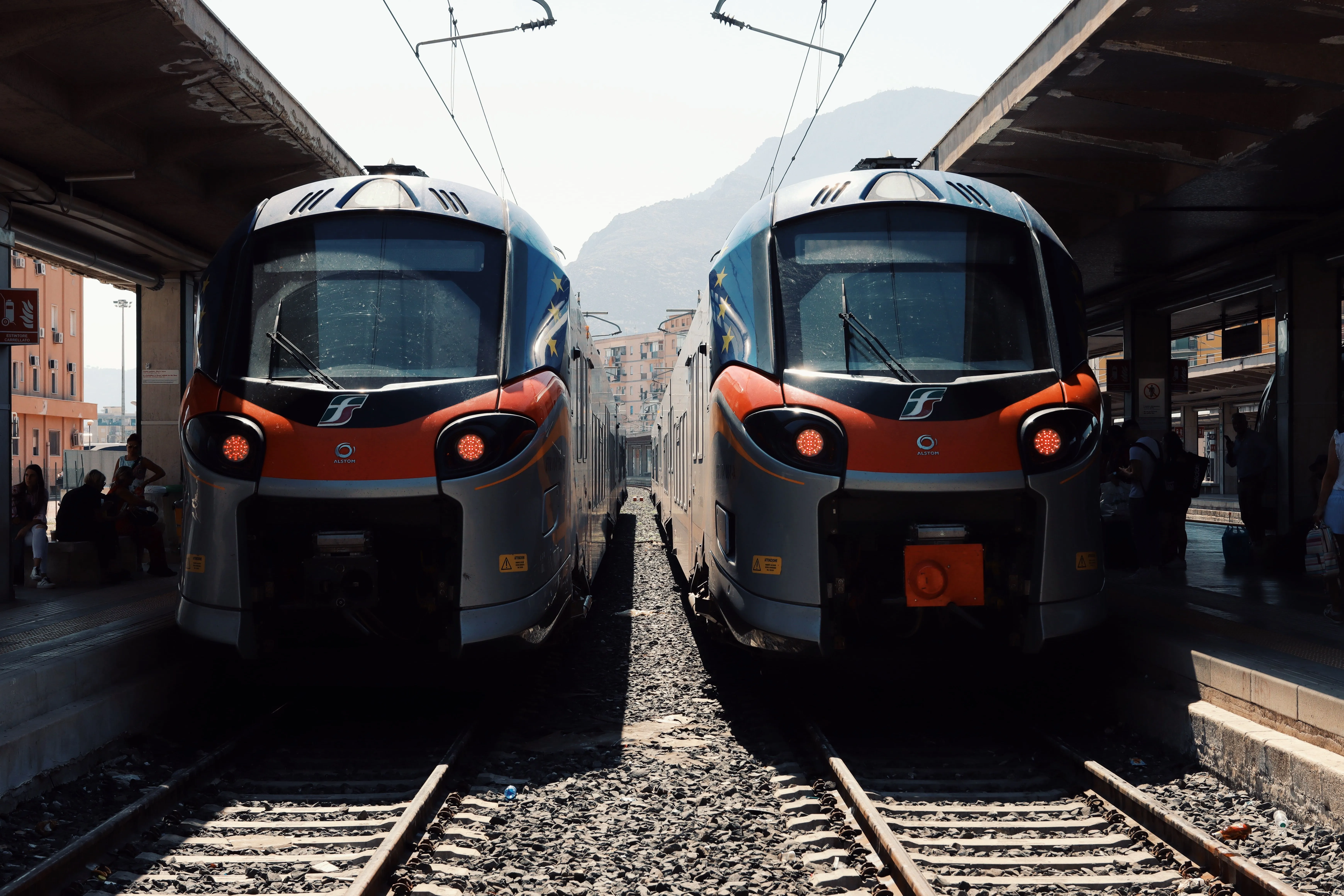
Trains are the backbone of a car-free Morocco itinerary.
Use trains for major cities such as:
- Casablanca
- Rabat
- Tangier
- Fes
- Marrakech
- Meknes
- Kenitra
Trains are useful because they are comfortable, easier than driving, and good for long distances between major cities.
Good train routes for tourists include:
- Casablanca to Rabat
- Casablanca to Marrakech
- Casablanca to Fes
- Rabat to Tangier
- Rabat to Fes
- Tangier to Fes
- Fes to Marrakech
- Marrakech to Casablanca
Train travel is one of the easiest ways to move around Morocco without renting a car.
But trains do not go everywhere.
Trains do not reach:
- Essaouira
- Chefchaouen
- Merzouga
- Sahara desert camps
- Dades Valley
- Todra Gorge
- most Atlas Mountain villages
- many beach towns
So the train should be your backbone, not your whole plan.
Use trains for major cities, then add buses, taxis, transfers, or tours for the places trains do not reach.
2. CTM and Supratours buses
Long-distance buses are very useful in Morocco.
They help connect places not served by train.
CTM and Supratours are two of the most useful bus companies for travelers.
Buses are especially helpful for:
- Essaouira
- Chefchaouen
- Agadir
- Ouarzazate
- some desert gateway towns
- smaller cities
- coastal routes
For example, Marrakech to Essaouira is one of the easiest bus routes for tourists.
Chefchaouen is also commonly reached by bus or transfer because it has no train station.
Buses are usually cheaper than private transfers, but they are slower and operate on fixed schedules.
Bus stations may also be outside the old medina, so you may still need a taxi from the station to your riad.
Good bus travel tips:
- book ahead on popular routes
- arrive early at the station
- check which station your bus uses
- keep screenshots of your ticket
- keep luggage manageable
- confirm arrival location
- avoid arriving very late if your riad is inside a medina
Buses make Morocco without a car much easier.
But they still require planning.
3. Grand taxis and private transfers
Taxis and private transfers fill the gaps between trains and buses.
They are useful for:
- airport transfers
- train station to riad
- bus station to hotel
- short intercity gaps
- day trips
- Chefchaouen connections
- Atlas Mountain routes
- travelers with luggage
- families
- late arrivals
Inside cities, you will mostly use petit taxis.
For longer routes, you may use grand taxis or private transfers.
Private transfers cost more than buses, but they are easier, especially if you have luggage or a tight schedule.
They are also useful for places where public transport exists but is inconvenient.
For example, Chefchaouen can be reached by bus, but a private transfer from Tangier or Fes may be easier if you are short on time.
Always agree the price before starting if there is no meter.
For airport or hotel transfers, ask your accommodation for a trusted driver if you are arriving late.
4. Organized tours
Organized tours are useful when public transport becomes inconvenient.
They are especially helpful for:
- Sahara Desert
- Dades Valley
- Todra Gorge
- Ait Ben Haddou
- High Atlas routes
- Agafay Desert
- Atlas Mountains day trips
- Ouzoud Waterfalls
- multi-day Fes to Marrakech route
The Sahara is the main example.
You can technically reach some desert gateway towns by bus, but for most first-time visitors, the Sahara is easier with a private driver or organized tour.
A good desert route might be:
Fes → Merzouga → Todra/Dades → Ait Ben Haddou → Marrakech
This lets you experience the desert and valleys without renting a car.
The downside is that tour quality varies.
Some group tours are rushed or include too many shopping stops.
Private tours cost more, but they offer better pacing and more control.
For the Sahara, Atlas Mountains, and remote valleys, a tour or driver is often the best alternative to renting a car.
5. Walking and petit taxis inside cities
Moroccan cities are often best explored on foot.
This is especially true for old medinas.
In Marrakech, Fes, Essaouira, Rabat, Tangier, and Chefchaouen, much of the experience is walking.
Medinas are not designed for rental cars.
Many riads are inside pedestrian streets.
A taxi may drop you near the entrance, then you walk the rest of the way.
Use petit taxis for:
- train station to hotel
- bus station to medina
- new city to old medina
- short city rides
- tired evenings
- luggage transfers
- heat or rain
In some cities, you should ask for the meter.
In other situations, agree the price before entering.
If you are unsure, ask your riad what a normal taxi price should be.
Best Morocco itinerary without a car
The best Morocco itinerary without a car depends on how many days you have and whether you want the Sahara.
For a simple first trip, focus on train cities and easy bus add-ons.
For a complete route, use trains, buses, and one desert tour.
7-day Morocco itinerary without a car
Route: Casablanca → Rabat → Fes → Marrakech → Essaouira
| Day | Overnight | Transport |
|---|---|---|
| Day 1 | Casablanca or Rabat | Airport train, taxi, or transfer |
| Day 2 | Rabat | Train, walking, taxi |
| Day 3 | Fes | Train |
| Day 4 | Fes | Walking, guide, taxi |
| Day 5 | Marrakech | Train |
| Day 6 | Essaouira | Bus or private transfer |
| Day 7 | Marrakech or departure | Bus, transfer, or taxi |
This is the easiest one-week Morocco itinerary without a car.
It works well for first-time visitors who want cities, medinas, culture, and coast without the desert.
It avoids complicated mountain or desert logistics.
10-day Morocco itinerary without a car
Route: Casablanca → Rabat → Tangier → Chefchaouen → Fes → Marrakech → Essaouira
| Day | Overnight | Transport |
|---|---|---|
| Day 1 | Casablanca or Rabat | Airport train, taxi, or transfer |
| Day 2 | Rabat | Train, tram, taxi |
| Day 3 | Tangier | Train |
| Day 4 | Chefchaouen | Bus or transfer |
| Day 5 | Fes | Bus or transfer |
| Day 6 | Fes | Walking, guide, taxi |
| Day 7 | Marrakech | Train |
| Day 8 | Marrakech | Walking, taxi |
| Day 9 | Essaouira | Bus or transfer |
| Day 10 | Marrakech or departure | Bus, transfer, or taxi |
This route is good if you want Chefchaouen and Essaouira without driving.
It is busy but manageable.
If you want a calmer version, skip Tangier or Chefchaouen and give more time to Fes, Marrakech, or Essaouira.
14-day Morocco itinerary without a car
Route: Casablanca → Rabat → Tangier → Chefchaouen → Fes → Sahara tour → Marrakech → Essaouira
| Days | Overnight | Transport |
|---|---|---|
| Day 1–2 | Casablanca/Rabat | Train, taxi |
| Day 3 | Tangier | Train |
| Day 4–5 | Chefchaouen | Bus or transfer |
| Day 6–7 | Fes | Bus or transfer, walking |
| Day 8–10 | Sahara/Dades route | Organized tour or private driver |
| Day 11–12 | Marrakech | Tour drop-off, walking, taxi |
| Day 13 | Essaouira | Bus or transfer |
| Day 14 | Marrakech or departure | Bus or transfer |
This is the best complete Morocco route without self-driving.
You use public transport where it works and a tour or private driver only where it makes sense.
That is the key to traveling Morocco without a car.
Easy destinations in Morocco without a car
Some places are very easy without a car.
Others are possible, but need planning.
Marrakech without a car
Marrakech is very easy without a car.
In fact, a car is usually unnecessary.
Use:
- walking in the medina
- petit taxis
- airport transfer
- private transfer if arriving late
- guided day trips
- bus or transfer to Essaouira
- tour to Agafay or Atlas Mountains
Most visitors spend their time in the medina, Gueliz, gardens, riads, restaurants, hammams, rooftops, and day trips.
You do not need a rental car for that.
If your riad is inside the medina, a car may not even reach the door.
Fes without a car
Fes is also easy without a car.
Take the train or bus to Fes, then use taxis and walking.
Inside the old medina, walking is the main way to explore.
A licensed guide can be very helpful because Fes is complex and easy to get lost in.
Use:
- train to arrive
- taxi from station to riad
- walking in the medina
- licensed guide
- taxi for new city or viewpoints
- private driver for day trips if needed
A car is not useful inside Fes el-Bali.
Casablanca without a car
Casablanca is easy without a car.
It has trains, trams, taxis, and airport connections.
Use:
- airport train or transfer
- tram for some city areas
- petit taxis
- walking near specific areas
- train to Rabat, Marrakech, Fes, or Tangier
Casablanca is useful as an arrival or departure city.
You do not need to rent a car just because you arrive there.
Rabat without a car
Rabat is one of the easiest Moroccan cities without a car.
It is calmer and more organized than many other cities.
Use:
- train
- tram
- petit taxis
- walking in central areas
- taxi or transfer for specific hotels
Rabat works well as a first or last stop because it is practical and less intense.
Tangier without a car
Tangier is easy without a car.
It is connected by train and has taxis for city movement.
Use:
- train to arrive
- taxi to hotel
- walking in the medina and kasbah
- taxi or transfer to coastal spots
- bus or transfer to Chefchaouen
Tangier is a good northern gateway for car-free travelers.
Essaouira without a car
Essaouira is easy without a car, especially from Marrakech.
Use:
- CTM bus
- Supratours bus
- private transfer
- shared transfer
- walking inside Essaouira
Once you arrive, Essaouira is very walkable.
The medina, port, ramparts, beach, cafés, and restaurants are close enough for most travelers.
A car is not needed unless you want to explore villages or beaches outside town.
Chefchaouen without a car
Chefchaouen is possible without a car, but it needs more planning.
There is no train station in Chefchaouen.
Use:
- CTM bus
- private transfer
- shared taxi
- transfer from Tangier
- transfer from Fes
- bus or road connection from Rabat or Casablanca
Chefchaouen is easiest if your route already includes Tangier or Fes.
It is more awkward if your trip is focused only on Marrakech and the south.
Once you arrive, Chefchaouen is walkable.
You do not need a car inside the town.
Sahara Desert without a car
You can visit the Sahara without renting a car.
But it is not as simple as taking a direct train to the dunes.
The easiest options are:
- Fes to Marrakech desert tour
- Marrakech loop desert tour
- private driver
- small group desert tour
- bus to a desert gateway plus local transfer, for more experienced travelers
For first-time visitors, a tour or private driver is best.
The Sahara route usually includes long drives, remote stops, accommodation coordination, meals, and desert camp logistics.
Trying to manage all of that independently without a car can be stressful.
A good car-free Sahara plan is:
Fes → Merzouga → Todra Gorge or Dades Valley → Ait Ben Haddou → Marrakech
This gives you the desert route without self-driving.
Atlas Mountains without a car
The Atlas Mountains are possible without a car, but a day trip or private transfer is usually easiest.
From Marrakech, you can visit:
- Ourika Valley
- Imlil
- Agafay Desert
- Ouirgane
- Asni area
- Ait Ben Haddou on a longer trip
For a simple first visit, book a day trip or private driver.
Public transport exists in some directions, but it can be confusing if you are short on time.
A car is useful for remote mountain villages, but not necessary for a basic Atlas experience.
Harder places without a car
Some Moroccan destinations are possible without a car but less convenient.
These include:
- Dades Valley independently
- Todra Gorge independently
- remote Atlas villages
- Skoura palm grove
- Tafraoute
- remote beaches
- small desert villages
- rural guesthouses outside town centers
- multi-stop photography road trips
- hidden kasbah routes
If your trip is focused on remote landscapes, a rental car or private driver becomes more useful.
If your trip is focused on classic cities, medinas, coast, and organized desert tours, you can skip the car.
Train routes tourists should know
These train routes are useful for car-free travelers:
| Route | Why it matters |
|---|---|
| Casablanca → Rabat | Easy arrival route or first transfer |
| Casablanca → Marrakech | Common airport-to-Marrakech route |
| Casablanca → Fes | Useful for imperial city route |
| Rabat → Tangier | Good for northern Morocco |
| Rabat → Fes | Easy city-to-city connection |
| Tangier → Fes | Good after visiting the north |
| Fes → Marrakech | Long but useful major route |
| Marrakech → Casablanca | Common departure connection |
Use train travel to build the structure of your itinerary.
Then add buses and transfers for the missing pieces.
Bus routes tourists should know
These bus routes are useful for travelers without a car:
| Route | Best for |
|---|---|
| Marrakech → Essaouira | Coast add-on |
| Essaouira → Marrakech | Return to airport or city |
| Tangier → Chefchaouen | Blue city route |
| Chefchaouen → Fes | North to Fes connection |
| Marrakech → Agadir | Beach/resort route |
| Marrakech → Ouarzazate | Gateway to kasbah/desert routes |
| Casablanca → Essaouira | Coast route with longer travel |
| Fes → Chefchaouen | Fes to blue city connection |
Always check current schedules before booking.
Do not assume every route runs at the exact time you want.
Best car-free Morocco routes by travel style
| Travel style | Best route |
|---|---|
| Easiest first trip | Casablanca → Rabat → Fes → Marrakech → Essaouira |
| Best cities | Casablanca → Rabat → Tangier → Fes → Marrakech |
| Best with Chefchaouen | Tangier → Chefchaouen → Fes → Marrakech |
| Best with coast | Marrakech → Essaouira → Casablanca/Rabat |
| Best with Sahara | Fes → Sahara tour → Marrakech |
| Best without tours | Casablanca → Rabat → Tangier → Fes → Marrakech → Essaouira |
| Best for families | Marrakech → Essaouira → Rabat/Fes with private transfers where needed |
| Best budget route | Train between cities plus CTM/Supratours buses for side trips |
| Best relaxed route | Marrakech → Essaouira → Fes/Rabat, fewer stops |
Do not choose a route just because it looks good on a map.
Choose a route based on transport logic.
Renting a car vs not renting a car in Morocco
| Option | Best for | Not ideal for |
|---|---|---|
| No car | First-time visitors, city routes, train routes, medinas, budget travelers | Remote villages and flexible landscape stops |
| Rental car | Road trips, Atlas villages, remote beaches, photography routes | Nervous drivers, medina stays, city-only trips |
| Private driver | Sahara, Atlas, families, luggage, comfort | Strict budget travelers |
| Group tour | Sahara, Agafay, day trips, solo travelers | Travelers who dislike fixed schedules |
For a normal first Morocco trip, no car is usually better.
For a remote landscape trip, a car or driver becomes more useful.
Is public transport in Morocco safe for tourists?
Public transport in Morocco is commonly used by locals and tourists.
Trains and major bus companies are generally practical for first-time visitors.
But you still need normal travel awareness.
Good safety habits:
- keep valuables close
- watch luggage at stations
- keep your ticket accessible
- avoid unofficial “helpers” around stations
- use trusted taxis or agreed prices
- arrive early for buses
- avoid late-night arrivals in unfamiliar medinas
- ask your riad for pickup if arriving late
- keep offline maps
- do not leave bags unattended
The biggest issue is usually not danger.
It is confusion, delays, luggage stress, and arriving somewhere without a clear plan.
Practical tips for Morocco without a car
Use these tips to make car-free travel easier:
- book trains and buses ahead for popular routes
- keep luggage light
- choose central accommodation
- ask riads for arrival instructions
- confirm whether taxis can reach your hotel
- keep cash for taxis and small transfers
- use offline maps
- screenshot tickets and addresses
- arrive early at bus stations
- avoid too many one-night stops
- check if your bus station is far from the medina
- use taxis at night instead of walking far with luggage
- book Sahara routes with a reliable tour or driver
- do not plan every transfer at the last minute
A car-free Morocco trip is easiest when your itinerary is simple.
The more remote stops you add, the more planning you need.
Local perspective
You do not need a car to experience Morocco well.
In fact, for many first-time visitors, not driving is easier.
The best car-free trip uses trains for the big cities, buses for places like Essaouira and Chefchaouen, and a driver or tour only where it actually makes sense: desert, mountains, and remote valleys.
You do not need to rent a car to enjoy Morocco. For many first-time visitors, trains, buses, taxis, and a few well-chosen transfers are easier than driving into medinas, looking for parking, or crossing mountain roads alone.
What to avoid
Do not assume every Moroccan destination works like Marrakech, Fes, Rabat, or Casablanca.
Major cities are easy without a car.
Remote valleys, desert camps, mountain villages, and rural guesthouses are different.
Avoid:
- building a public-transport-only route through remote places
- arriving late at medina riads without pickup instructions
- carrying too much luggage
- assuming trains go to Chefchaouen or Essaouira
- assuming trains go to the Sahara
- booking tight bus-to-train connections
- relying on random station advice
- renting a car just for city travel
- driving into old medinas
- ignoring private transfers when they save stress
Do not assume every Moroccan destination works like Marrakech, Fes, or Rabat. Trains are great for major cities, but places like Chefchaouen, Essaouira, Merzouga, Dades Valley, and Atlas villages need buses, transfers, tours, or private drivers.
Final recommendation
For most first-time visitors, the best Morocco without a car route is:
Casablanca → Rabat → Tangier → Chefchaouen → Fes → Marrakech → Essaouira
For a shorter and easier route, choose:
Casablanca → Rabat → Fes → Marrakech → Essaouira
For a route with the Sahara, choose:
Fes → Sahara Desert tour → Dades or Todra → Ait Ben Haddou → Marrakech
Do not rent a car unless your trip is focused on remote landscapes, independent road trips, or flexible rural travel.
For classic Morocco, trains, CTM or Supratours buses, walking, taxis, private transfers, and organized tours are enough.
FAQ
Can you travel Morocco without a car?
Yes, you can travel Morocco without a car. Most first-time visitors can use trains, buses, taxis, private transfers, and organized tours instead of renting a car.
Do you need to rent a car in Morocco?
No, you do not need to rent a car for a classic first Morocco trip. A rental car is useful for remote villages, flexible road trips, hidden beaches, and rural landscapes, but not necessary for Marrakech, Fes, Rabat, Casablanca, Tangier, Essaouira, Chefchaouen, or basic Sahara tours.
Is Morocco easy to travel by train?
Morocco is easy to travel by train between major cities such as Casablanca, Rabat, Tangier, Fes, Marrakech, Meknes, and Kenitra. Trains do not go everywhere, so you will still need buses, taxis, transfers, or tours for other destinations.
Where do trains go in Morocco?
Useful train routes for tourists include Casablanca to Rabat, Casablanca to Marrakech, Casablanca to Fes, Rabat to Tangier, Rabat to Fes, Tangier to Fes, Fes to Marrakech, and Marrakech to Casablanca.
Can you visit Marrakech without a car?
Yes, Marrakech is very easy without a car. Use walking, petit taxis, airport transfers, and day trips for places like Agafay, the Atlas Mountains, or Essaouira.
Can you visit Fes without a car?
Yes, Fes is easy without a car. Arrive by train or bus, take a taxi to your riad, and explore the medina on foot or with a licensed guide.
Can you visit Chefchaouen without a car?
Yes, Chefchaouen is possible without a car, but it requires planning because there is no train station. Use CTM bus, private transfer, shared taxi, or a road connection from Tangier, Fes, Rabat, or Casablanca.
Can you visit Essaouira without a car?
Yes, Essaouira is easy without a car, especially from Marrakech. Use CTM, Supratours, private transfer, or shared transfer. Once you arrive, Essaouira is very walkable.
Can you visit the Sahara Desert without a car?
Yes, you can visit the Sahara without renting a car. The easiest option for first-time visitors is an organized desert tour or private driver between Fes and Marrakech or from Marrakech.
Is CTM reliable for tourists?
CTM is one of the main long-distance bus companies used by travelers in Morocco. It is useful for destinations not served by train, including Essaouira, Chefchaouen, Agadir, Ouarzazate, and some smaller cities.
Should I use buses or trains in Morocco?
Use trains for major city routes such as Casablanca, Rabat, Tangier, Fes, and Marrakech. Use buses or transfers for places not connected by train, such as Essaouira, Chefchaouen, Agadir, and Ouarzazate.
Are taxis easy to use in Morocco?
Taxis are useful for short city rides, train stations, bus stations, airports, and riad transfers. Ask for the meter where appropriate or agree the price before entering when there is no meter.
Is it safe to travel Morocco by public transport?
Public transport in Morocco is commonly used by locals and tourists. Use normal travel awareness: watch luggage, avoid unofficial helpers, keep tickets and valuables close, and plan late arrivals carefully.
What is the best Morocco itinerary without a car?
The best Morocco itinerary without a car is Casablanca, Rabat, Tangier, Chefchaouen, Fes, Marrakech, and Essaouira. For a shorter route, choose Casablanca, Rabat, Fes, Marrakech, and Essaouira.
When is renting a car worth it in Morocco?
Renting a car is worth it if your trip focuses on remote landscapes, Atlas villages, hidden beaches, rural guesthouses, flexible photography stops, or independent road trips.
What should I avoid when traveling Morocco without a car?
Avoid assuming trains go everywhere, arriving late at medina riads without instructions, carrying too much luggage, booking tight connections, relying on public transport for remote valleys or desert camps, and renting a car just for city travel.